Loading...
Serving Anchorage, AK and surrounding areas. (907) 202-5481
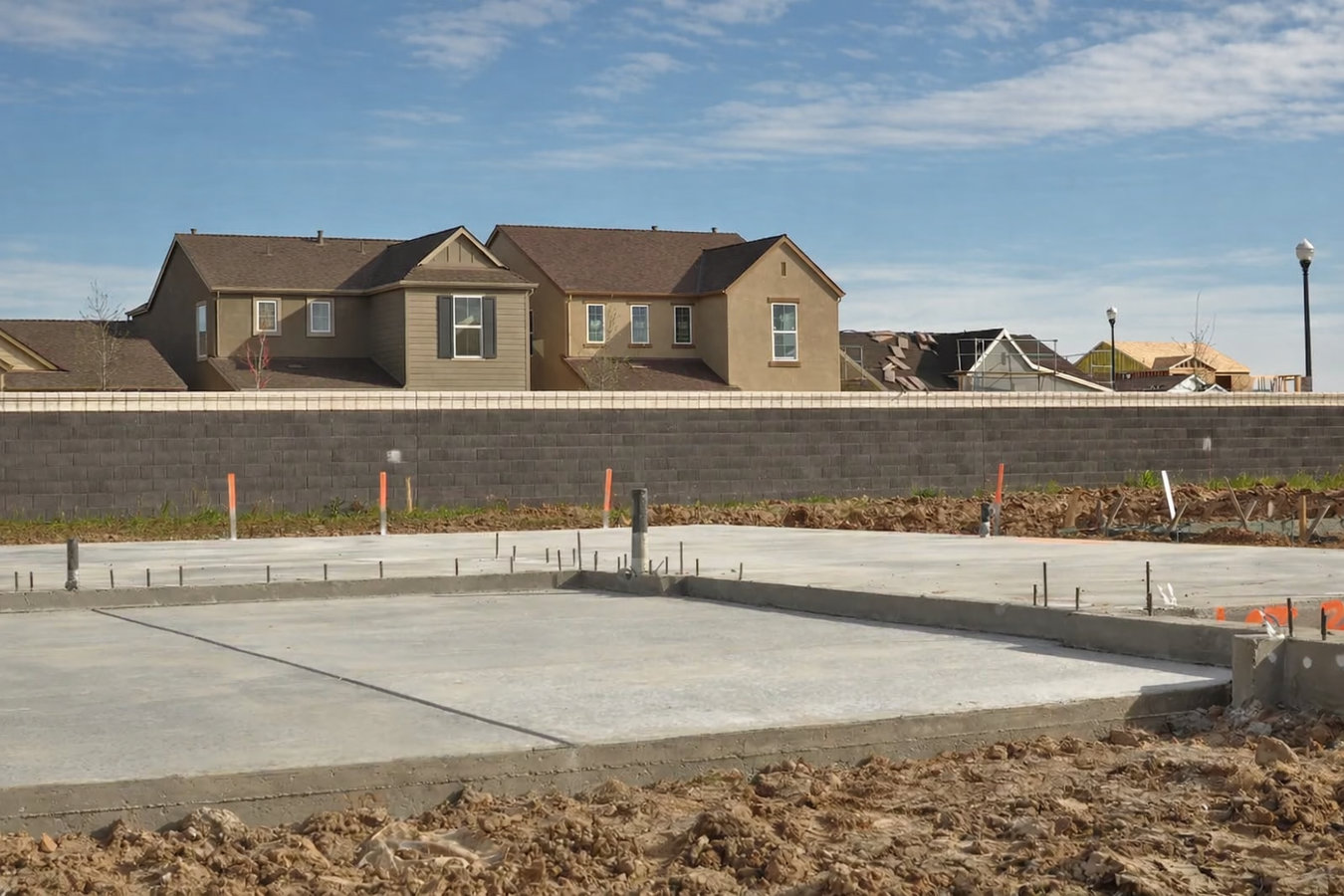
Anchorage soil is not forgiving. Frost heave, seismic loads, and a short pour season mean your slab foundation needs to be engineered for this specific place - not just built to a generic standard.
Slab foundation building in Anchorage means pouring a reinforced concrete base designed for frost-susceptible soil and seismic loads. Most residential slabs take one to two weeks from site prep through curing before framing can begin.
A slab foundation in Anchorage is not a simple pour. The ground beneath it has to be compacted, graded, and in many cases assessed by a geotechnical engineer before any concrete is placed. If you are also planning a full foundation installation or need to understand how the slab ties into concrete footings, those decisions start at the same point - with a real look at your specific lot.
Permits are required for all new slab foundations in the Municipality of Anchorage. That is not a formality - it means a city inspector verifies the reinforcing steel and soil prep before the pour, giving you an independent check on the most important phase of your project.
If you are starting a new construction project in Anchorage, a slab foundation is one of the first decisions you will make. Without a properly built base, no other part of the structure can go up safely. If your builder or architect has recommended a slab for your lot, that is the clearest signal that this service is what you need.
Small hairline cracks in concrete are common, but cracks wider than a quarter-inch, or cracks where one side is higher than the other, signal that the ground has shifted. In Anchorage, this pattern is often caused by frost heave - the ground swelling as it freezes each winter and settling as it thaws in spring. Getting it looked at early prevents bigger problems later.
When a slab shifts, the frame of the house above it shifts too. If doors that used to swing freely are now sticking, or gaps are forming at window frame corners, the foundation may be moving unevenly underneath. This symptom is especially worth investigating in older Anchorage homes built before modern seismic and frost-protection standards were in place.
Standing water on a slab floor - especially in a garage or lower-level room - can mean the slab was not properly sloped for drainage, or that the vapor barrier underneath has failed. Anchorage spring snowmelt puts significant moisture pressure on the ground, and a slab that was not built with that in mind can allow water in. A contractor can assess whether the issue is surface drainage or something deeper.
Every slab project starts with a real site assessment - not a phone estimate. We look at your soil, measure the area, and discuss any drainage or stability concerns before we give you a number. For projects that also require a full foundation installation, we coordinate everything from the excavation through the final inspection. If your project involves concrete footings under load-bearing walls or along the slab perimeter, those are built into the pour - not added as an afterthought.
We handle all permit applications with the Municipality of Anchorage and schedule every required inspection. The vapor barrier, gravel base, reinforcing steel, and cold-weather protection are standard parts of the job here - not upgrades you have to ask for. Once the concrete cures, you get written confirmation of your permit sign-off before framing begins.
Best for homeowners building a new single-family home who need a properly permitted, frost-resistant foundation that meets Anchorage seismic standards.
Suited for detached garages, workshops, or large additions that require their own permitted concrete base under local building rules.
Ideal for older Anchorage homes with aging post-and-pad systems that need to be replaced with a continuous poured concrete slab for stability and energy performance.
Designed for homeowners who need work done outside the peak summer window, using insulating blankets, heated enclosures, and cold-weather admixtures to protect the pour.
Anchorage sits in one of the most seismically active regions in North America. The 1964 Good Friday Earthquake caused widespread foundation failures across the city, and smaller earthquakes are a regular occurrence. The Municipality of Anchorage requires additional reinforcing steel in concrete foundations compared to most other U.S. cities, and permits include mandatory inspections specifically to verify that seismic requirements are met. On top of that, much of the area sits on frost-susceptible soils that expand and contract with every freeze-thaw cycle. Skipping proper ground preparation here does not just affect quality - it guarantees future problems. Residents in areas like Knik-Fairview deal with some of the most challenging soil conditions in the region, and the prep work there reflects it.
Anchorage's construction season runs roughly May through September. Concrete poured in cold weather can freeze before it fully cures, which permanently weakens it in ways that are not visible on the surface. Getting your project on a contractor's schedule early - even in January or February - is one of the most practical steps you can take to protect your investment. Homeowners in Wasilla and the surrounding Mat-Su Valley face the same short-season pressure, and good contractors in both areas book up fast once the ground thaws. The Alaska Department of Commerce, Community, and Economic Development maintains a public license lookup so you can verify any contractor before signing anything.
We respond within one business day. We ask a few basic questions - the size of the slab, what it is for, and where the property is located - so we can schedule the right site visit. No commitment required at this stage.
We visit your lot to look at soil conditions, access, and drainage before putting a number together. In Anchorage, soil conditions can vary significantly from one block to the next, so we never estimate a foundation project over the phone.
We apply for the building permit through the Municipality of Anchorage - typically a one-to-three-week process. Once approved, we prep the site, set the forms and reinforcing steel, and schedule the pre-pour municipal inspection before any concrete is placed.
The pour itself typically takes a few hours. We monitor weather conditions and protect the fresh concrete if temperatures are expected to drop overnight. After curing, the final inspection is scheduled and you receive your permit sign-off in writing.
We respond within one business day. No commitment required for an estimate.
(907) 202-5481Foundation work in Anchorage requires a municipal building permit, and we handle the application as part of every project. We also schedule and pass every required inspection - giving you the paper trail that matters when you sell or make an insurance claim.
Anchorage soil conditions vary block by block, and we look at your specific lot before we commit to any numbers. If your project requires a geotechnical soil report - which the municipality requires for many new construction sites - we will tell you upfront and can connect you with engineers we have worked with locally.
Local building standards require more reinforcing steel than most U.S. cities demand, and our work reflects that. The Alaska Earthquake Center documents the ongoing seismic activity that makes this a practical requirement, not a theoretical one.
We treat cold-weather precautions as a normal part of every Anchorage project. Insulating blankets, heated enclosures when needed, and weather monitoring before and after the pour are built into our process - not extras you have to request.
Foundation work in Anchorage has consequences that last for the life of the building. We take the preparation, permitting, and cold-weather details seriously because that is where the quality of a slab is actually determined - long before the concrete truck arrives.
Full foundation installation for new Anchorage homes, from excavation and forming through final inspection and permit sign-off.
Learn MoreConcrete footings that carry the structural load of walls and columns safely down into compacted Anchorage soil.
Learn MoreAnchorage construction slots go fast once the ground thaws - reach out now and lock in your start date.