Loading...
Serving Anchorage, AK and surrounding areas. (907) 202-5481
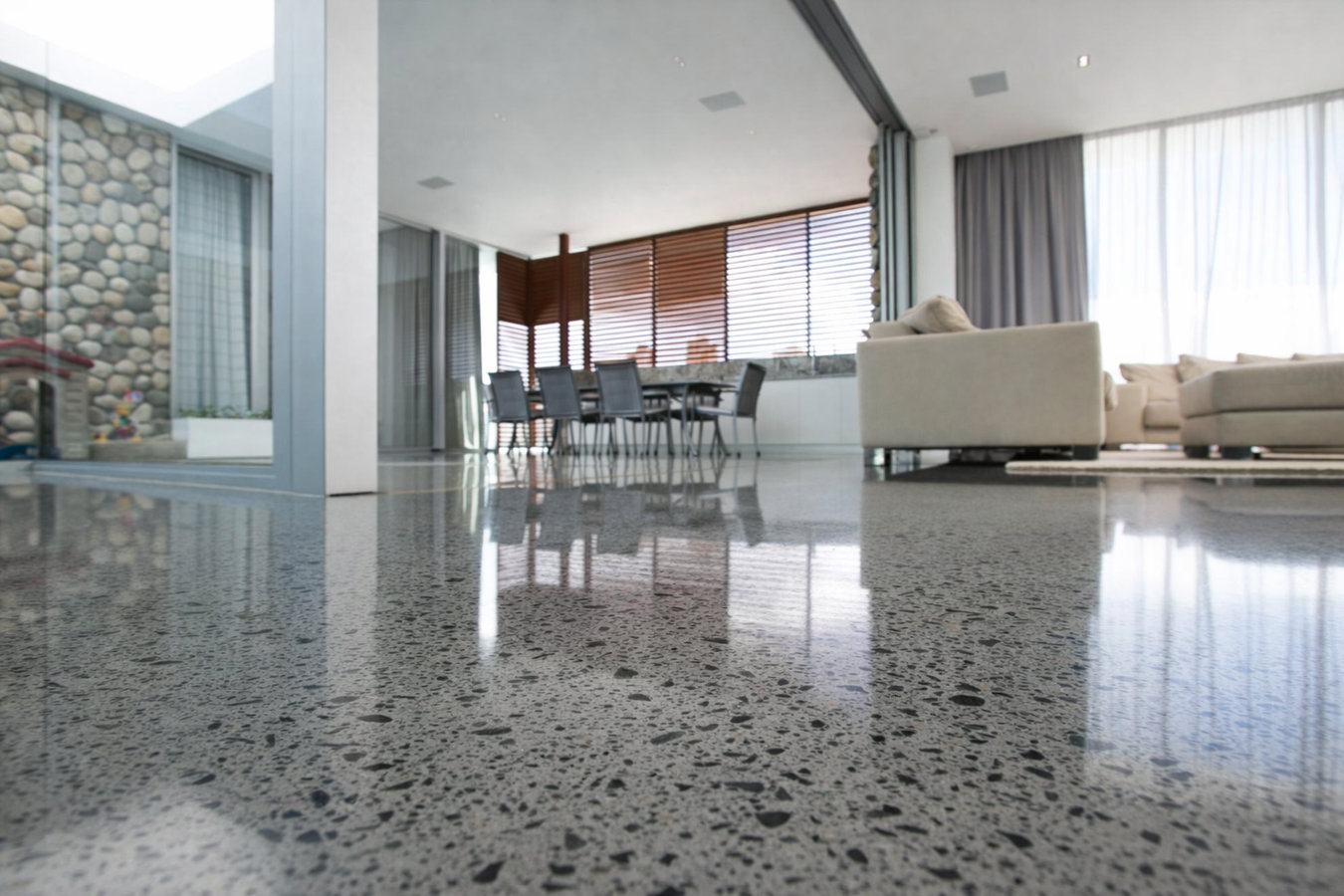
Cracked, spalling, or moisture-damaged floors are a losing battle to patch. We install concrete floors built for Anchorage soils, freeze-thaw cycles, and the demands of Alaska winters.
Concrete floor installation in Anchorage involves removing the existing material, compacting a stable base, laying a vapor barrier, and pouring a properly mixed slab - with most residential projects completed in one to three days of active work once the ground is prepared and permits are in hand.
Whether you are replacing a cracked garage slab that has taken too many Anchorage winters, finishing a basement that still has bare gravel underfoot, or starting a new utility space from scratch, the process starts with understanding what is happening beneath the surface. Many homeowners combine floor installation with garage floor concrete work when the project spans multiple connected spaces.
In Anchorage, the biggest threat to any concrete floor is what happens underneath it - unstable or frost-susceptible soil that shifts as temperatures change. A floor poured over a properly compacted base with a vapor barrier performs completely differently than one that was rushed or skimped on prep. That groundwork is where the longevity of your floor is actually decided, whether the project is a basement, a workshop, or garage floor concrete.
If you have patched cracks in your concrete floor and they reappear within a season or two, the underlying problem is bigger than a surface fix. In Anchorage, this pattern usually means freeze-thaw cycles or shifting soil have compromised the slab. Repeated patching is a short-term answer - at some point, replacement is the more cost-effective path.
Walk slowly across your floor and notice if sections shift slightly when you step on them, or if the surface is noticeably higher in some spots. This kind of unevenness means the base underneath has settled or eroded. In Anchorage, unstable soils - including areas with peat or glacial fill - make this a particularly common problem in older homes.
If the top layer of your concrete floor is peeling off in chips or feels gritty and soft when you scuff it, the concrete is deteriorating from the top down. In Anchorage, this is often caused by years of freeze-thaw stress combined with road salt tracked in from outside. Once spalling spreads across a large area, resurfacing or full replacement is usually more practical than patching.
A white, chalky residue on your floor - especially after wet weather - means water is moving up through the slab from below. In Anchorage's wet shoulder seasons, this is a common sign the original slab was poured without an adequate moisture barrier. Left alone, this moisture damages stored items and creates conditions for mold growth.
We install concrete floors for basements, garages, workshops, and utility spaces throughout the Anchorage area. Every project starts with a soil assessment and a written estimate before any work begins - because what is under your floor matters as much as the pour itself. Homeowners who are upgrading their garage floor or addressing moisture issues often also look at concrete pool decks and other outdoor flatwork as part of a broader property project.
We select concrete mixes designed for Anchorage's freeze-thaw climate, not generic mixes imported from the Lower 48. Air-entrained mixes resist the surface spalling that comes from repeated freezing and thawing - a real issue in this climate. We also include vapor barriers as standard practice, not as an add-on, because moisture moving up through an unsealed slab causes problems that compound over time.
Suited for homeowners finishing a lower level - we pour a properly sealed slab that creates a dry, stable base before any other finishing work begins.
The right choice for garages where the existing slab is cracked, spalling, or was never properly sealed against Anchorage moisture and cold.
Full slab-on-grade installation for additions, workshops, and utility spaces - compacted base, vapor barrier, and control joints included.
Smooth trowel finish for easy cleaning, or textured broom finish for better grip - a popular choice in Anchorage garages where snow and slush are tracked in regularly.
Anchorage temperatures swing from well below zero in winter to the 60s and 70s in summer, and that repeated freezing and thawing puts concrete through stress that milder climates never see. Water gets into tiny pores, freezes, expands, and slowly breaks the surface apart - a cycle that compounds every year on slabs that were not mixed and poured with local conditions in mind. Parts of Anchorage also sit on soil that contains peat, glacial deposits, or permafrost-adjacent ground that shifts unevenly as temperatures change. If the base under your floor moves even slightly, the concrete above it will crack regardless of how well the pour itself was done. The Municipality of Anchorage has documented these soil conditions extensively, and any contractor working here should be factoring them into their approach before a single cubic yard is ordered. The Portland Cement Association publishes guidance on cold-weather concreting that goes well beyond what most contractors in warmer climates ever need to consider.
We serve properties throughout the Anchorage area including Wasilla and Palmer, where similar freeze-thaw conditions and soil challenges apply. If your project is outside Anchorage proper, give us a call and we can confirm whether your address falls within our service area.
We ask about the size of your space, its current condition, and what you want to end up with. This is not a commitment on either side - just enough information to schedule a site visit. We reply within one business day.
We come out to assess the existing floor or ground condition, measure the area, and note anything that might affect the job - like soft soil or limited equipment access. You get a written estimate that breaks down exactly what is included.
We pull the required permit from the Municipality of Anchorage before any work begins. This typically takes a few days to a couple of weeks. Once permits are in hand and a start date is set, you will know exactly when the crew arrives.
We remove the old material, compact the base, lay a vapor barrier, and pour. The municipal inspector signs off as part of the permitted process - you do not need to arrange that yourself. We walk through the finished floor with you before we leave.
Free written estimate. No obligation. We reply within one business day.
(907) 202-5481We use concrete mixes designed for Anchorage's extreme freeze-thaw cycles - not the same mix a contractor would pour in Phoenix or Portland. Air-entrained concrete is significantly more resistant to spalling caused by repeated freezing and thawing, and that choice at the design stage saves you from premature deterioration.
Parts of Anchorage sit on peat, glacial deposits, or soil that shifts as temperatures change. We assess your specific ground conditions before pouring anything and tell you plainly what we find - including whether extra base preparation is needed and what that costs. No surprises after the slab is down.
We pull every required permit from the Municipality of Anchorage and coordinate the inspection on your behalf. Your project is fully documented and above board - which matters when you go to sell your home and a buyer's inspector starts asking questions.
Every slab we pour includes a proper moisture barrier beneath it. In Anchorage's wet shoulder seasons, ground moisture moves upward through slabs that were poured without one - causing damage to stored items and conditions for mold. The Portland Cement Association recommends vapor barriers as a baseline requirement - we treat them that way.
A floor that performs well in Anchorage is one that was designed for Anchorage from the start - the right mix, the right base prep, and the right moisture management. You can verify any contractor holds a current Alaska license through the State of Alaska license lookup - a step worth taking before you sign anything.
Durable pool deck surfaces poured for outdoor use in Anchorage, with slip-resistant finishes and expansion joints sized for Alaska temperature swings.
Learn MoreGarage slabs designed for Anchorage freeze-thaw conditions, with proper vapor barriers and a broom finish that keeps traction through slushy winters.
Learn MoreAnchorage's concrete season runs May through September and crews book fast - reach out now to lock in your project date and avoid waiting another year.