Loading...
Serving Anchorage, AK and surrounding areas. (907) 202-5481
A sunken garage floor or tilted front stoop gets worse with every Anchorage winter. We lift settled slabs back to level using methods suited for Alaska soil - and tell you honestly if replacement is the smarter call.
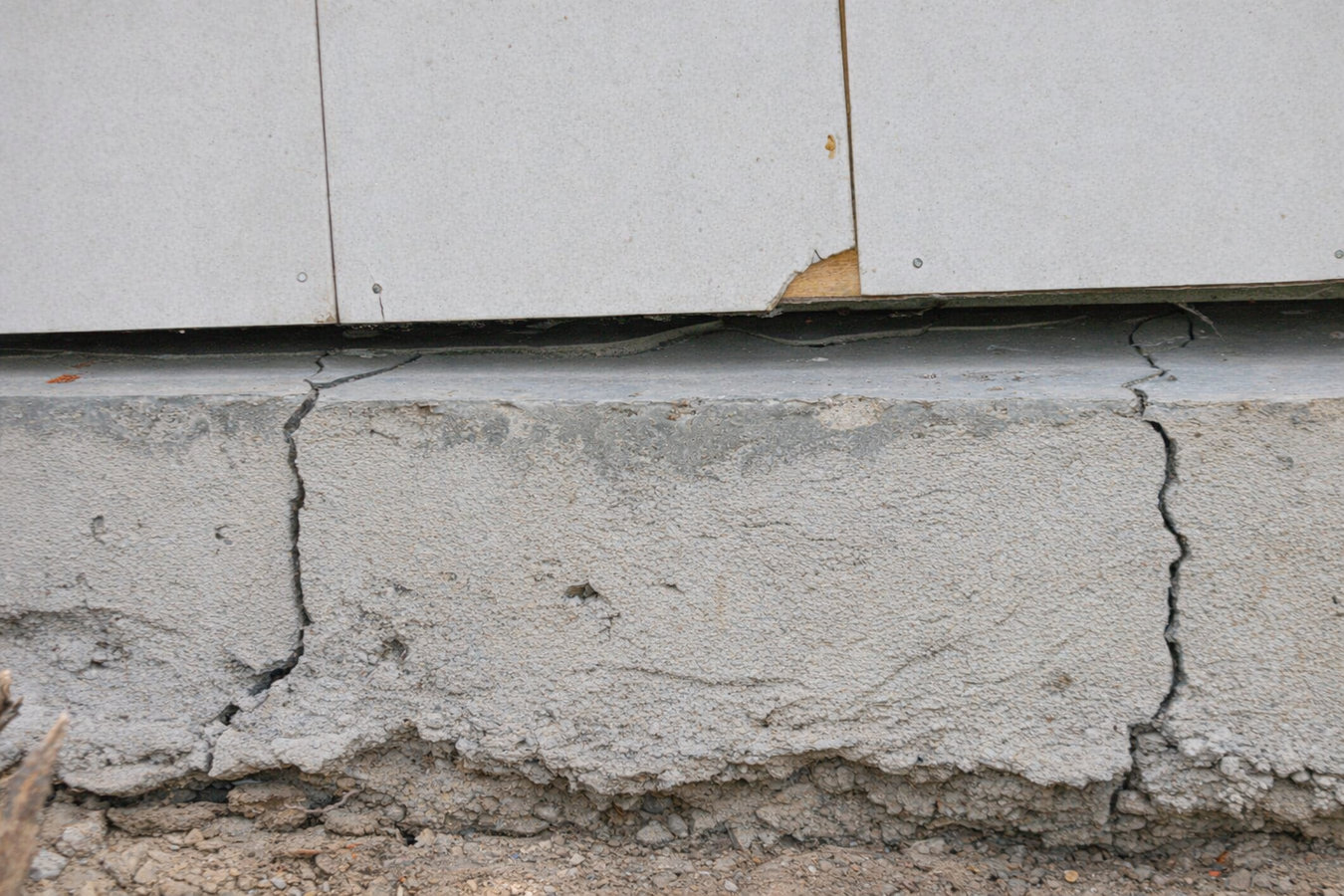
Foundation raising in Anchorage, AK lifts sunken or tilted concrete slabs back to their original position by drilling small holes and pumping material underneath to fill voids - most residential jobs take two to four hours and cost a fraction of full slab replacement.
Most homeowners who call us noticed the problem after a winter. A garage floor that sloped toward the wall. A front stoop that tilted away from the door. A patio section that dropped and now collects water. In Anchorage, freeze-thaw cycles work on the soil under your slabs every single year, and what looked like a small dip in October is often noticeably worse by April. The sooner a settling slab is addressed, the less it costs to fix.
If your settling problem involves a larger structural area, we can also discuss whether slab foundation building is a better long-term solution than lifting - we will give you an honest answer based on what we find at your property.
Stand at one end of your garage floor or driveway and look across the surface. If it looks like a gentle slope that was not there before, or if water pools in a spot that used to drain, the slab has likely settled. In Anchorage, this often happens after a hard winter when freeze-thaw movement has shifted the soil underneath.
When a slab settles unevenly, it can pull the framing of the structure above it slightly out of square. If a door near your garage or a ground-floor entry suddenly sticks in summer when it never used to, it is worth investigating - the slab beneath it may have moved.
Walk around the perimeter of your garage floor, front stoop, or patio. If you can see a gap - even a small one - between the concrete and the adjacent wall or step, the slab has dropped away from where it started. That gap will grow over time if the underlying cause is not addressed.
Some surface cracking in older concrete is normal. But if you notice new cracks appearing in spring, or existing cracks that seem wider than they were last fall, freeze-thaw movement under the slab is a likely cause. Anchorage winters are hard on concrete, and cracks that open up after a cold season often signal that the ground beneath has shifted.
We lift settled slabs using two main methods: mudjacking, which pumps a cement-and-soil slurry under the slab, and polyurethane foam lifting, which injects an expanding foam that hardens quickly. Mudjacking tends to cost less upfront and has a long track record. Foam lifting cures faster and leaves smaller holes. Which method is right for your slab depends on the size of the area, the cause of the settling, and your timeline - we will explain the trade-offs before you decide.
For homeowners who also want to address the underlying drainage or soil issues that caused the settling, we work alongside concrete cutting and other services to make sure the fix holds. The International Concrete Repair Institute sets the professional standard for this kind of assessment, and we follow those guidelines on every job.
For homeowners who want a proven, cost-effective method for lifting larger slabs like garage floors and driveways.
For situations where a faster cure time and smaller injection holes are important, such as front walkways and visible entry areas.
For settled garage slabs that have developed slopes, pooling water, or gaps at the wall - one of the most common calls we get in Anchorage.
For exterior slabs that have tilted or dropped due to freeze-thaw movement, drainage erosion, or aging fill beneath the slab.
Anchorage sits in a zone where permafrost patches exist in many neighborhoods - particularly in South Anchorage and hillside communities. When that frozen layer thaws even slightly, the ground loses its load-bearing strength and slabs can drop suddenly. The freeze-thaw cycles that happen every single winter push and pull at the soil beneath every concrete surface in the city. A slab that settled one inch this past winter has probably been moving for years, and it will keep moving until the root cause is addressed. Homeowners with houses built in the 1970s and 1980s are especially likely to see this problem, since those slabs have now been through 40 or 50 years of Anchorage winters.
We serve customers across the greater Anchorage area, including homeowners in Wasilla and Palmer who deal with the same soil conditions and seasonal cycles. If you are not sure whether your area has the kind of soil behavior that makes lifting risky or complicated, ask us on the first call - we know the ground conditions across this region.
When you call, we ask a few basic questions - what kind of slab it is, roughly how much it has dropped, and where the property is. Because Anchorage's working season is short, we try to book site visits early in the season. We reply within one business day.
We visit your property, walk the slab, and measure how far it has settled. We look at surrounding drainage and check for signs of what caused the settling. You will get a written estimate before any work is scheduled.
The crew drills small holes through the slab and pumps material underneath to fill voids and gradually raise the slab to level. Most residential jobs finish in two to four hours. You will hear drilling and equipment noise, but the work stays contained to the slab area.
Once the slab is level, drill holes are patched and the work area is cleaned up. Before the crew leaves, we walk you through the result and give you a specific timeline for when the slab is safe for vehicles or heavy foot traffic - no vague estimates.
Anchorage's concrete lifting season is short - most contractors fill their schedules by July. Call now or submit your info and we will get back to you within one business day.
(907) 202-5481Anchorage soils - including permafrost patches in south Anchorage and hillside communities - behave differently from soils in most other cities. We assess what is underneath your slab before recommending a lifting method, because the wrong approach on frost-susceptible ground can make the problem worse rather than better.
Not every slab can or should be lifted. If your slab is too far deteriorated, or if active permafrost thaw makes a lasting result unlikely, we will tell you upfront. The International Concrete Repair Institute sets professional standards for exactly this kind of assessment - we follow them and give you a straight answer before any work begins.
The Municipality of Anchorage requires permits for structural repairs, and some foundation lifting work falls under that umbrella. We know which projects need a permit and handle the application on your behalf. A permitted repair goes on record and protects your home's value when you sell.
One of the most common frustrations homeowners have after concrete work is not knowing when the slab is safe to use again. Before our crew leaves your property, you will get a specific, clear answer - not a vague 'give it a day or two' - so you can plan around the work.
You can verify our Alaska contractor license through the Alaska Division of Corporations, Business and Professional Licensing before you hire. We are local, we know Anchorage soil conditions, and we will not take on a job we do not think will hold.
Precise diamond-blade cuts for utility openings, drain trenches, and damaged slab removal across Anchorage.
Learn MoreNew concrete slab foundations poured and reinforced for Anchorage's frost depth and seismic requirements.
Learn MoreCall us today or request a free estimate online - foundation raising season in Anchorage is short, and getting on the calendar early means your slab is level before next winter arrives.